When searching for HDPE installation instruction, you're probably looking for clear and concise guidance to ensure a successful setup. As a seasoned manufacturer based in China, I understand the unique challenges faced in the industry. Our HDPE materials are durable and reliable, making them ideal for a wide range of applications. I’ve crafted these detailed installation instructions to help you navigate the process smoothly, addressing common pitfalls and providing helpful tips along the way. With my background in manufacturing, I ensure that every piece of advice comes from hands-on experience. Our commitment to quality means you can trust that these instructions are designed not only for optimal performance but also for longevity of your installations. I’m here to support you every step of the way, ensuring that you achieve the best results with your HDPE projects. Let’s get started on making your installation process efficient and effective today!
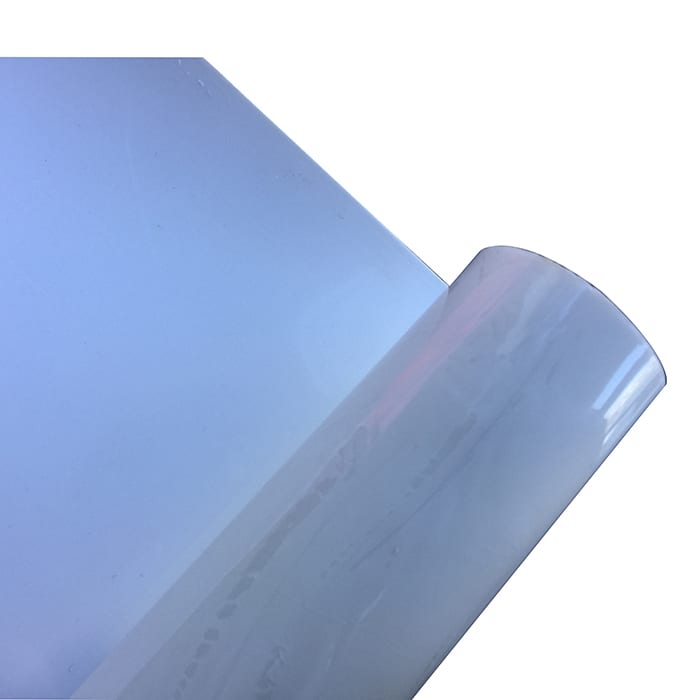
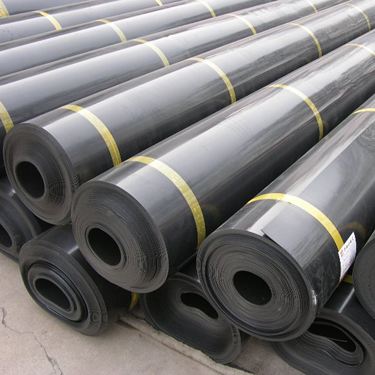
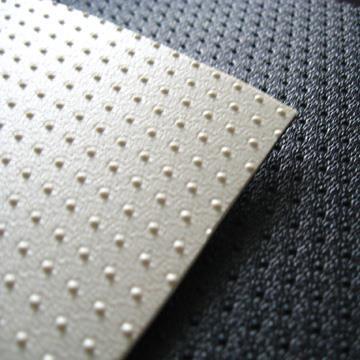
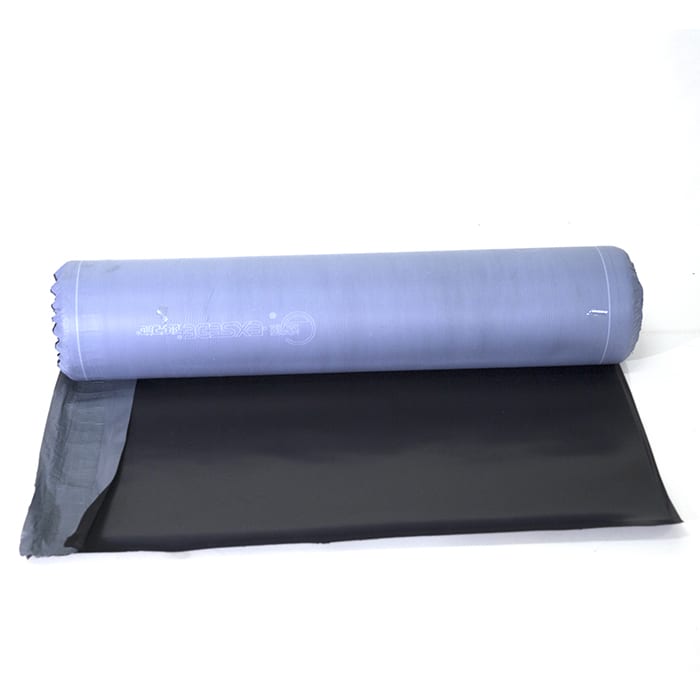
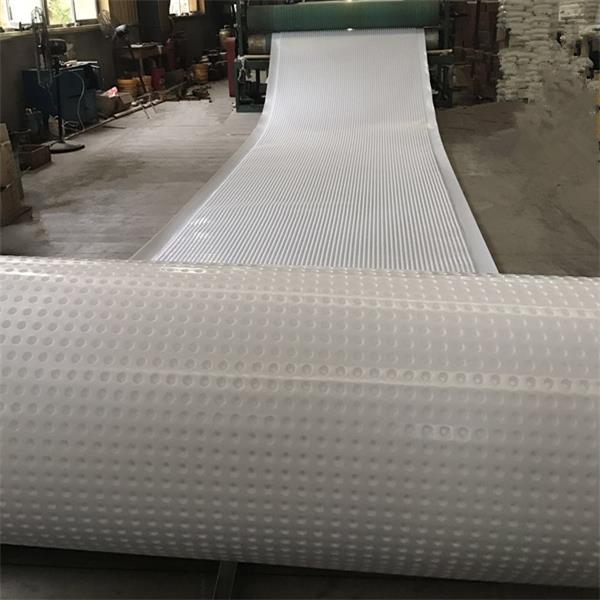
When it comes to effective waterproofing solutions, high-density polyethylene (HDPE) has emerged as a preferred choice across various industries. This versatile material is known for its excellent durability, chemical resistance, and ease of installation, making it ideal for applications in construction, agriculture, and environmental protection. Proper installation of HDPE is crucial to ensure its long-lasting performance and functionality, and understanding the right procedures can significantly enhance its effectiveness. For manufacturers and contractors seeking to apply HDPE in their projects, the installation instructions are straightforward yet vital. The surface preparation is the first step; it should be clean, dry, and free from any debris to ensure optimal adhesion. Following this, the HDPE sheets must be carefully laid out, with proper overlaps to create a seamless barrier against moisture. Additionally, welding the seams using hot air or extrusion techniques enhances the integrity of the installation. It's essential to evaluate the environmental conditions during the installation process to ensure the material performs under various weather scenarios. The application of HDPE spans across numerous sectors, including landfill liners, water containment, and structural waterproofing. Its adaptability to different environments and its cost-effectiveness make it a go-to solution for procurement professionals looking to streamline their projects. By following the correct installation guidelines, organizations can significantly extend the lifespan of HDPE applications, ensuring that their investment yields long-term benefits and sustainable results. Proper knowledge and application of installation techniques are paramount in harnessing the full potential of HDPE solutions.
| Step | Description | Tools Required | Safety Precautions |
|---|---|---|---|
| 1 | Site Preparation | Excavator, Rake | Wear gloves and hard hats |
| 2 | Material Placement | Forklift, Manual tools | Ensure proper lifting techniques |
| 3 | Seaming | Heat Gun, Welding Rods | Use protective eyewear |
| 4 | Final Inspection | Inspection Tools | Wear safety boots |