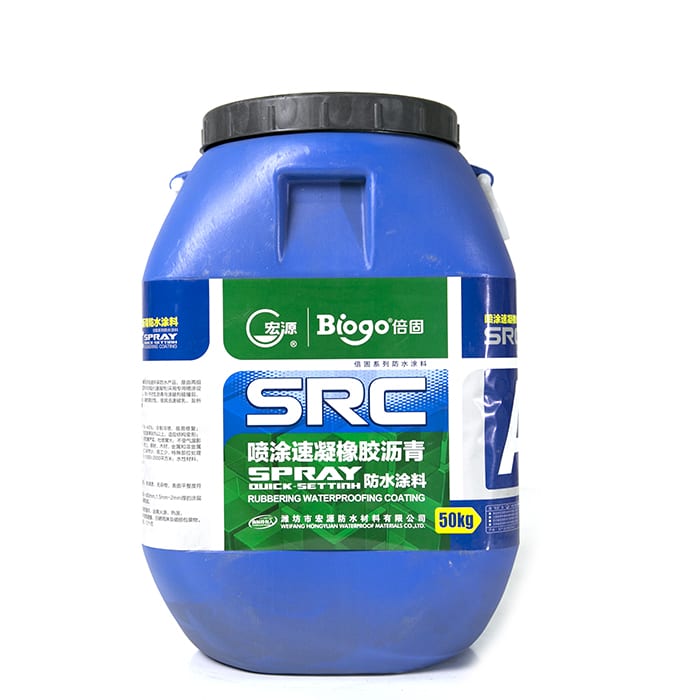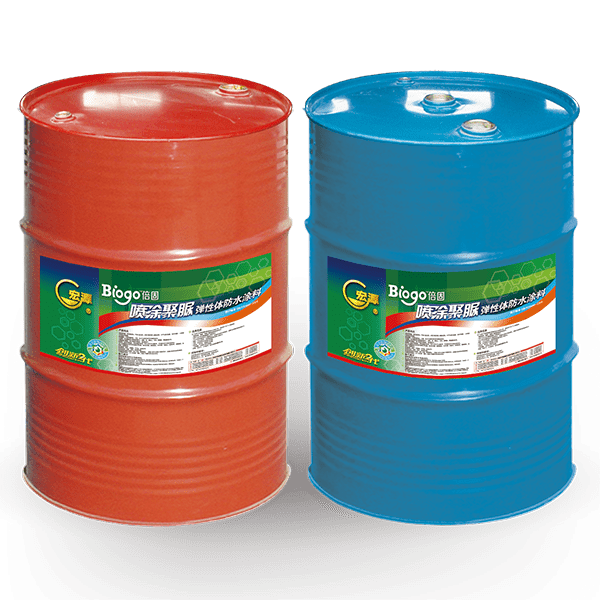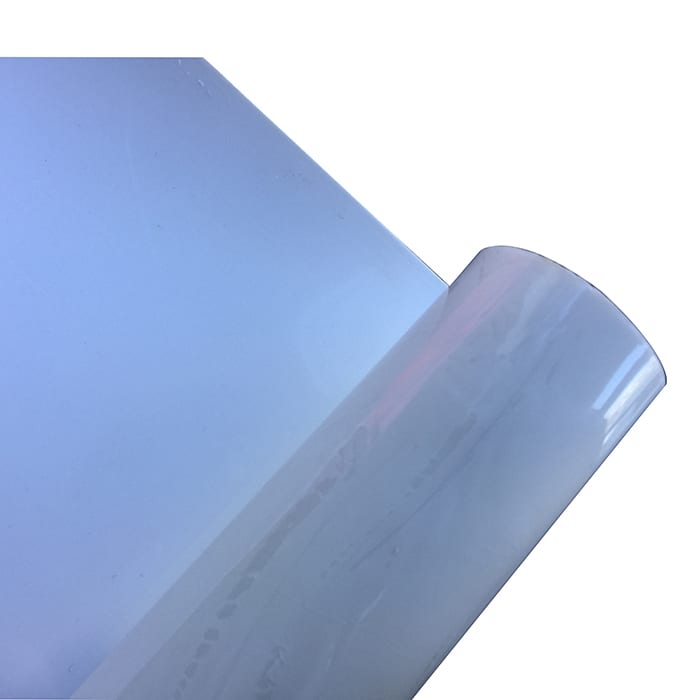
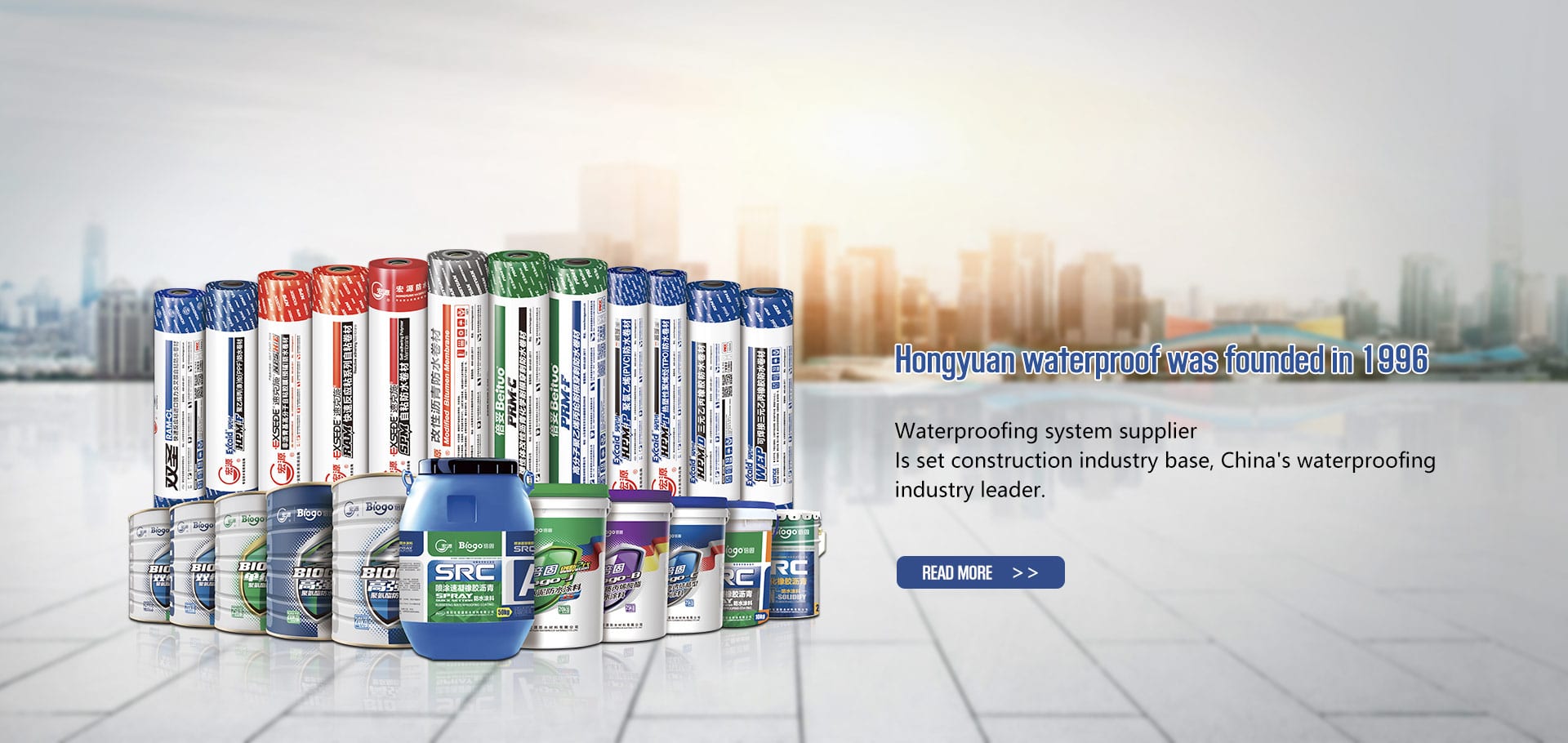
When searching for reliable materials used for waterproofing, I understand the importance of quality and durability in construction projects. As a manufacturer based in China, we provide a diverse range of waterproofing materials designed to meet various needs. Our products include advanced membranes, sealants, and coatings that have been tested for performance against water ingress. I believe in the power of collaboration—partners who choose our materials have access to innovative solutions that enhance the longevity of their structures. With competitive pricing and a commitment to sustainable practices, I ensure that the materials we offer not only perform but also align with environmentally-friendly standards. By working closely with us, you gain a trusted source for waterproofing that prioritizes reliability and excellence. Let's build lasting connections while ensuring your projects stand the test of time.
When it comes to waterproofing solutions, the materials used can significantly impact both performance and longevity. For global buyers seeking reliable waterproofing products, understanding the various materials available is crucial. High-quality waterproofing systems often incorporate advanced polymers, bitumen, and cementitious compounds, each offering unique benefits. Polymers provide flexibility and durability, making them ideal for dynamic environments, while bitumen systems are known for their excellent adhesion and waterproofing properties, suitable for roofs and foundations. Cementitious mixtures, on the other hand, are lauded for their ease of application and resistance to various environmental stresses. Sustainability is also becoming a key consideration for businesses worldwide. Innovative manufacturers are increasingly focusing on eco-friendly materials that not only maintain high-performance standards but also reduce environmental impact. Recyclable materials and low-VOC compositions are gaining traction, allowing procurement professionals to align their purchases with sustainable practices. By opting for products that meet environmental regulations and sustainability goals, buyers can ensure they are choosing solutions that are not just effective but responsible as well. As the construction industry continues to evolve, staying informed about the latest advancements in waterproofing materials is essential for global buyers. The right selection not only enhances the durability of structures but also contributes to the overall efficiency of projects. Engaging with manufacturers that prioritize quality and innovation can empower procurement professionals to devise effective strategies that meet the demands of modern construction while ensuring lasting, waterproof solutions.
| Material Type | Description | Application Area | Advantages |
|---|---|---|---|
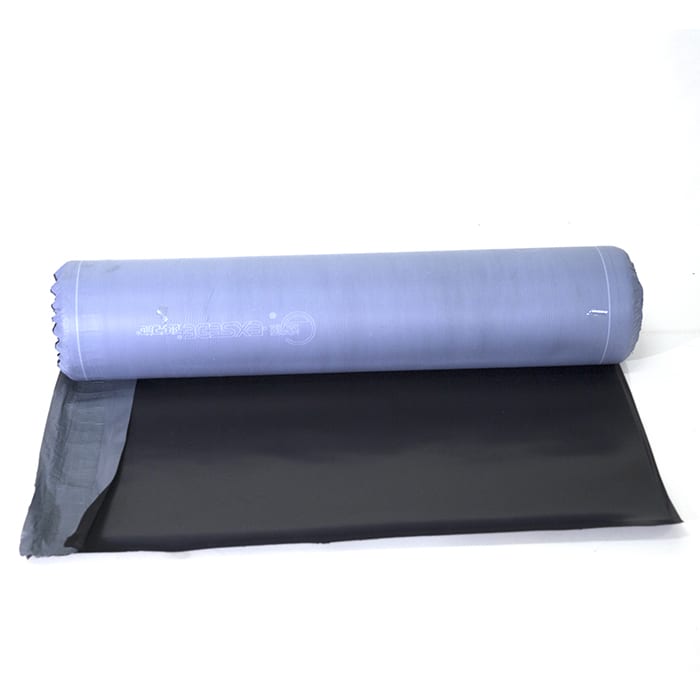
| Bituminous Membranes | Flexible waterproofing solution with asphalt. | Roofs, Foundations | Cost-effective, Easy to install |
| Liquid Rubber | Liquid-applied waterproofing system. | Commercial and Residential Roofs | Seamless application, UV resistant |
| Cementitious Waterproofing | Concrete based, powder that mixes with water. | Basements, Water Tanks | Non-toxic, Durable |
| Polyurethane Membranes | Highly elastic waterproofing product. | Balconies, Terraces | Durable, Resistant to chemicals |
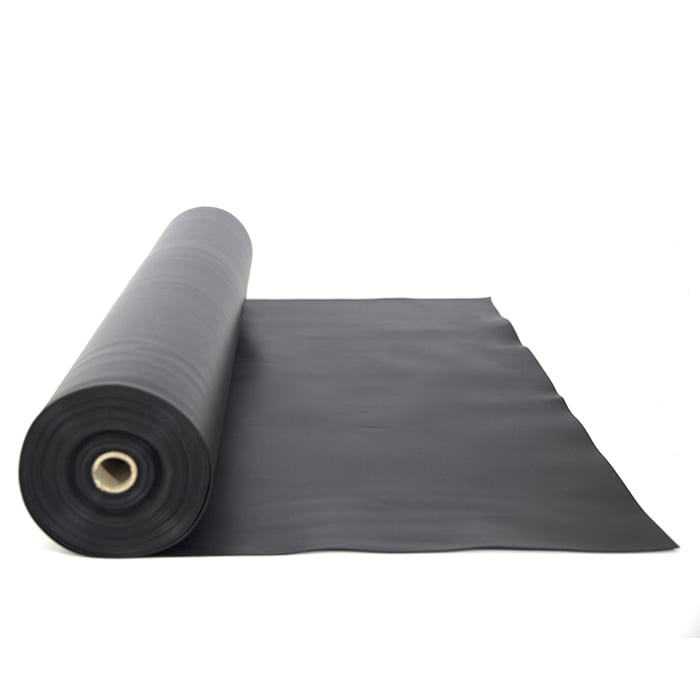
| EPDM Membranes | Synthetic rubber used for waterproofing. | Flat Roofs | Long lasting, Environmentally friendly |